ISSN : 2583-8725

COMPARATIVE ANALYSIS OF CIVIL SERVICES COMMISSION IN INDIA AND BANGLADESH
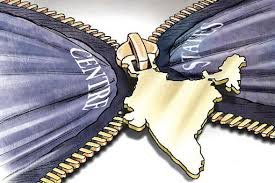
The civil services commissions of Bangladesh and India, two South Asian nations with different administrative systems, are thoroughly compared in this article. Civil services commissioners are essential to the upkeep of good governance because they choose and manage the civil service workers who are essential to the functioning of a nation. This study aims to shed light on the similarities and differences between the civil services commissions in India and Bangladesh, with particular attention to their historical development, organizational structures, recruitment and selection procedures, training and development initiatives, performance evaluation and accountability mechanisms, as well as the challenges and reforms they face. In Bangladesh’s and India’s recruiting and selecting procedures, a great deal of attention is paid to examination systems, eligibility standards, and training programs. An analysis of these procedures provides insight on the efficiency and diversity of employment policies in the two countries. The article also looks at initiatives related to training and development, including curriculum, skill development plans, and training facilities, all of which are crucial for equipping public servants with the knowledge and skills needed for their positions.

Hot this week

Integration of Technological Advancements in Alternative Dispute Resolution Mechanisms in India: A Paradigm Shift in Justice Delivery

Harshita TejwaniLL.M. (Alternative Dispute Resolution)R.K.D.F University, Bhopal (M.P.) Dr. Nilesh...

Reimagining Punishment: Community Service in India’s Evolving Sentencing and Human Rights Paradigm

Divyansh YadavAmity University Noida, Uttar PradeshLLM Criminal Law Abstract The increasing...

Defamation as a Crime in India: Examining Legal Framework, Liability, And Judicial Trends

Debalina DasLLM studentAmity University Noida Uttar Pradesh Abstract Defamation law in...

Evolution of Punishment Theories: Assessing the Shift from Retribution to Reformation

Arshita SahaAmity University Noida, Uttar PradeshLLM Criminal Law Abstract The evolution...

Human Rights of Married Women: A Comparative Legal Analysis of International Standards and Indian Jurisprudence

Mr. Aiman HamidLL.M Criminal Law (2025-26)CT University, Ferozpur road...

Topics

Integration of Technological Advancements in Alternative Dispute Resolution Mechanisms in India: A Paradigm Shift in Justice Delivery

Harshita TejwaniLL.M. (Alternative Dispute Resolution)R.K.D.F University, Bhopal (M.P.) Dr. Nilesh...

Reimagining Punishment: Community Service in India’s Evolving Sentencing and Human Rights Paradigm

Divyansh YadavAmity University Noida, Uttar PradeshLLM Criminal Law Abstract The increasing...

Defamation as a Crime in India: Examining Legal Framework, Liability, And Judicial Trends

Debalina DasLLM studentAmity University Noida Uttar Pradesh Abstract Defamation law in...

Evolution of Punishment Theories: Assessing the Shift from Retribution to Reformation

Arshita SahaAmity University Noida, Uttar PradeshLLM Criminal Law Abstract The evolution...

Comparative Study of Solid Waste Treatment Techniques in Japan and Singapore: Incineration, Recycling, and Landfill Reduction Models

Ankit Singh RajputResearch Scholar, Jiwaji University, Gwalior Suhel QuershiPrincipal Chaudhary...

AI and the Concept of Creativity: Rethinking Copyright Protection

Akshita Singh SengerAmity University, Noida Swati KaushalAssistant ProfessorAmity University, Noida Abstract The...

The Dispute Resolution Landscape, from FDRCS to Panchayats

Devyani Sharma SinghAuthor Dr. Sarita Singh(Supervisor) Co-AuthorAmity University, Noida 1. Abstract The...
spot_img

Related Articles

Popular Categories

spot_imgspot_img